
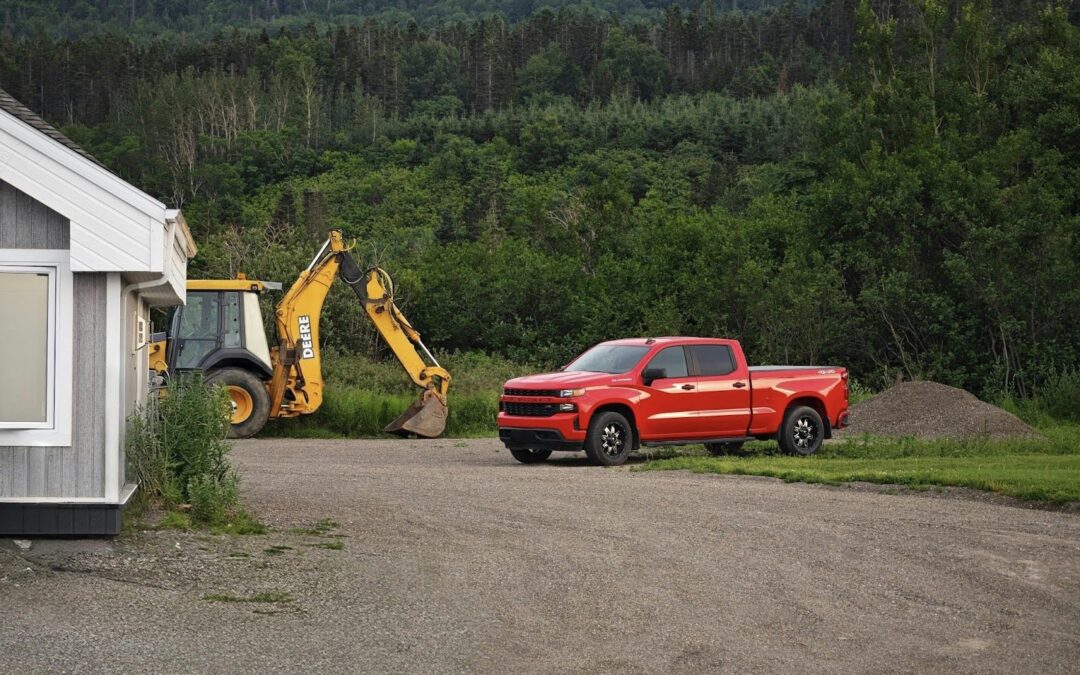
Gravel driveways are a popular choice across Duncan, Victoria, and Vancouver Island. They are cost-effective, provide good drainage, and work well for rural properties, acreages, and homes that need flexible access.
But installing a gravel driveway takes more than just spreading stone on the ground. Proper gravel driveway installation starts with solid site preparation. Skipping the prep work is one of the main reasons driveways develop ruts, puddles, and soft spots.
If you are thinking about installing a gravel driveway, here is what you need to know before you begin.
Step 1: Planning Your Gravel Driveway Installation
Before any digging starts, you need a clear plan.
Consider:
- The width and length of the driveway
- The slope of your property
- Where water flows during heavy rain
- Access for equipment and gravel delivery
On Vancouver Island, drainage is especially important. With regular rainfall throughout the year, a driveway that is not properly sloped can quickly turn into a muddy problem. Confirming it’s safe to dig is also important. You want to avoid damaging underground utilities during excavation. Taking time to plan properly can prevent costly repairs later.
Step 2: Clearing and Excavating the Area
One of the biggest mistakes people make when installing a gravel driveway is not excavating deep enough. Grass, roots, and topsoil need to be removed before gravel is placed. Topsoil shifts and holds moisture, which leads to sinking and uneven surfaces over time.
Excavation typically includes:
- Removing vegetation and organic material
- Digging down to a stable subgrade
- Addressing soft or unstable soil
- Removing old asphalt or concrete if necessary
If your project involves breaking up an old driveway or concrete pad, that material must be properly removed and hauled away before new base layers are installed.
Professional excavation equipment makes this process faster and more accurate, especially for longer driveways or properties with uneven terrain.
Step 3: Proper Grading and Base Preparation
This is the foundation of successful gravel driveway installation.
Grading shapes the ground to create the right slope so water drains away from the driveway instead of pooling on top. Without proper grading, even high-quality gravel will shift and wash out.
Base preparation usually includes:
- Creating a slight crown or slope for drainage
- Compacting the subgrade
- Installing geotextile fabric if needed to separate soil from gravel
- Adding a base layer of crushed rock
- Compacting each layer thoroughly
The base layer is what gives your driveway strength. Skipping or thinning this layer is one of the main reasons driveways develop deep tire ruts. Grading and compacting properly at this stage ensures the driveway lasts longer and requires less maintenance.
Step 4: Hauling and Spreading Gravel
Once the base is ready, the top layer of gravel can be added.
Common gravel types for driveways include:
- Crushed gravel with fines for better compaction
- Road base material
- Clear stone for improved drainage in certain situations
Gravel is typically added in layers and compacted between lifts. Simply dumping a load of stone and spreading it once will not provide the stability most driveways need. This stage also requires proper equipment to spread and level the material evenly. Uneven distribution leads to thin spots that break down quickly.
For homeowners handling parts of the job themselves, having gravel delivered on schedule is critical. Coordinating excavation, grading, and material delivery keeps the project moving smoothly.
Common Mistakes When Installing a Gravel Driveway
Many driveway issues can be traced back to early mistakes in the process.
Common problems include:
- Not excavating deep enough
- Skipping proper grading
- Ignoring drainage patterns
- Using the wrong type of gravel
- Failing to compact each layer
Over time, these mistakes lead to standing water, washouts, and constant maintenance.
Most long-term driveway problems start with poor site prep, not the gravel itself.
Can You Install a Gravel Driveway Yourself?
Installing a gravel driveway can be a DIY project, but it is physically demanding and requires the right equipment.
Excavation, grading, and compaction are the most critical steps. If these are not done correctly, you may end up redoing the work sooner than planned.
Many homeowners choose to handle certain parts themselves while hiring professionals for site preparation and material hauling. This approach helps ensure the foundation is done correctly while keeping the project manageable.
Get Started With Your Gravel Driveway Installation on Vancouver Island
Driveway projects on Vancouver Island come with unique considerations. Rainfall, soil composition, and property slope all play a role in how well your driveway performs. Proper grading, trenching for drainage if needed, and professional hauling can make the difference between a driveway that lasts years and one that requires constant repair.
If you are planning on installing a gravel driveway in Duncan, Victoria, or surrounding communities, having experienced support for excavation, grading, and gravel delivery can simplify the process and protect your investment.